
The Equal Rights Amendment Can Strengthen the Menopausal Workers' Fairness Act
August 06, 2026

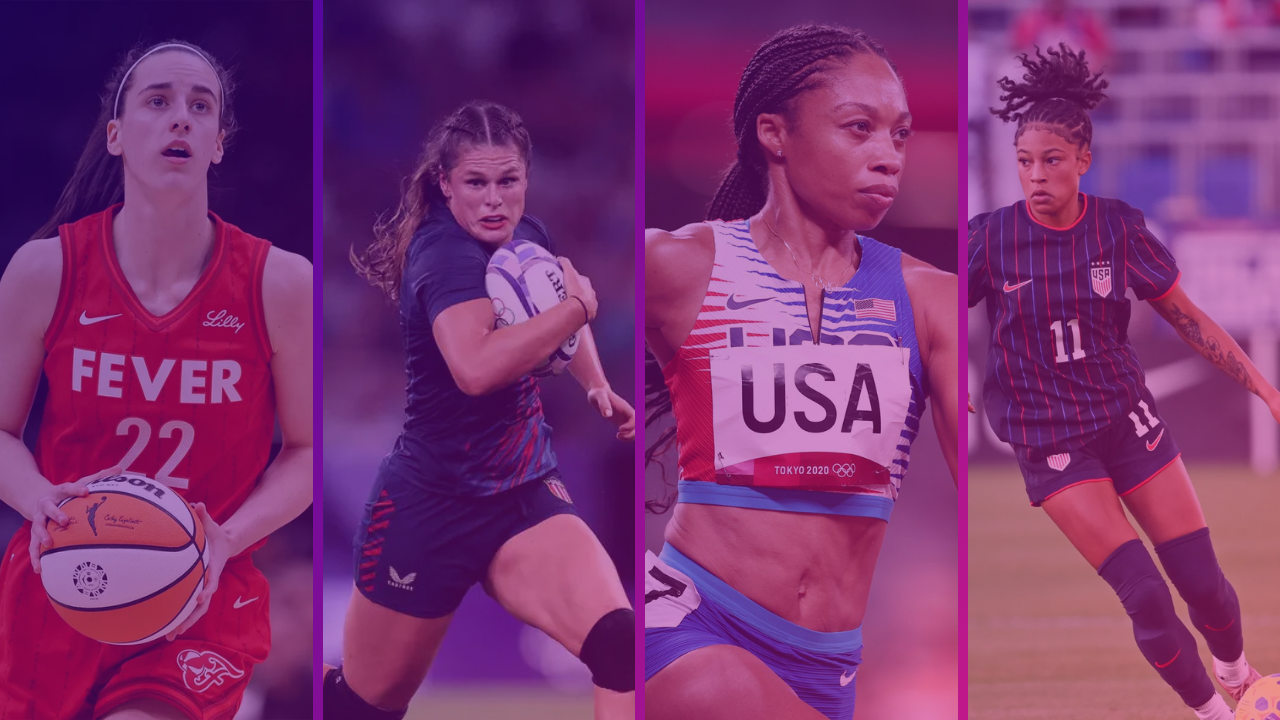
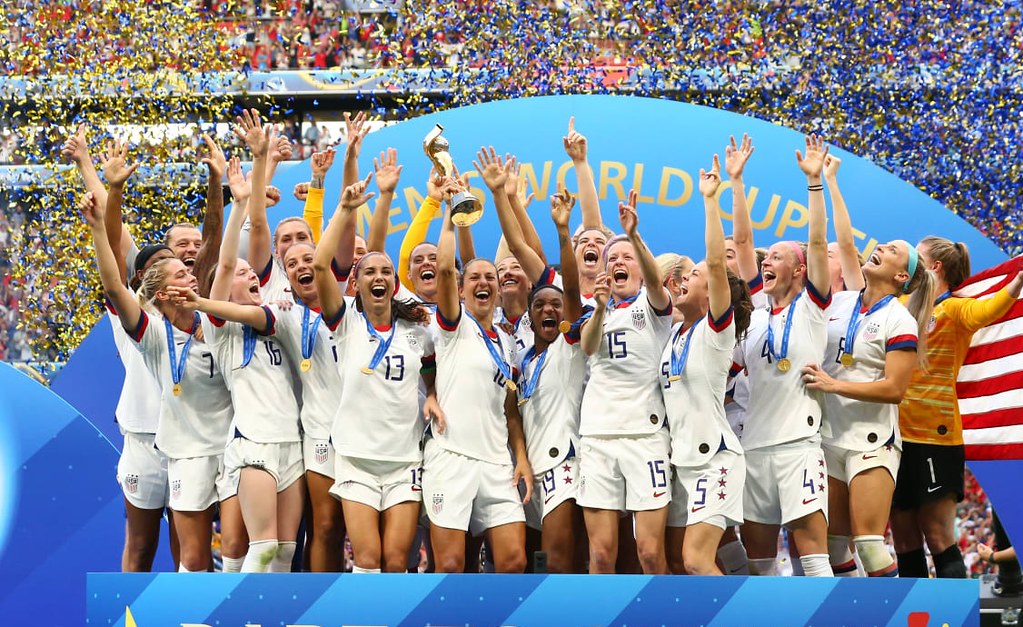
When the U.S. Women's National Soccer Team won their fourth World Cup in 2019, they didn't just bring home a trophy—they sparked a national conversation about equal pay. When Caitlin Clark broke NCAA scoring records and became the most-watched women's college basketball player in history, fans filled arenas to capacity. When Serena Williams dominated tennis for two decades, she redefined what athletic greatness looks like.
Despite record-breaking performances, championship victories, and millions of fans, female athletes still earn a fraction of what their male counterparts earn. The gap isn't about talent or popularity—it's about systemic inequality. And here's what most Americans don't know: women still aren't explicitly protected from sex discrimination in the U.S. Constitution.
The Equal Rights Amendment would provide that constitutional protection. For women in sports, it could be a game-changer.
Women's sports are on fire right now. The 2023 Women's World Cup final drew over 75 million viewers globally. The WNBA has seen record attendance and viewership. College women's basketball has packed arenas coast to coast. Female athletes are setting records, winning championships, and proving that women's sports can compete with—and sometimes surpass—men's sports in both performance and popularity.
These athletes are strong, skilled, and dedicated. They train just as hard, compete just as fiercely, and achieve just as much as their male counterparts. The problem isn't their performance—it's how they're valued.

The pay gap in professional sports is substantial:
Athletes like Megan Rapinoe, Alex Morgan, Carli Lloyd, Hope Solo, and Becky Sauerbrunn have brought championships to the United States while earning significantly less than their male counterparts.
Title IX, the 1972 law that banned sex discrimination in federally funded education programs, has been a cornerstone of progress for women's athletics. By 1978, six times as many high school girls participated in competitive sports compared to 1970. That's millions of young women who gained access to athletic opportunities, scholarships, and the life-changing benefits of sports participation.
Title IX has opened doors, created pathways to college athletics, and helped build the foundation for today's thriving women's sports. It remains a vital protection for student-athletes at every level.
Title IX was a landmark achievement. The ERA would extend that same commitment to equality to the Constitution itself, ensuring permanent protection for all women in sports and beyond. At the same time, the ERA would build on Title IX's success by:
With 38 ratifying states, the ERA has met the constitutional requirements for ratification. Here's what constitutional equality would mean for women in sports:
Stronger legal protection: Right now, courts don't have to scrutinize sex discrimination cases as carefully as they do race discrimination cases. Here's what that means: when someone claims they were discriminated against because of their race, courts examine the case very carefully and almost always rule in favor of the person who was discriminated against. But when someone claims sex discrimination, courts give the government more leeway to justify the unequal treatment. The ERA would change that, requiring courts to take sex discrimination just as seriously as discrimination based on race or religion—making it much harder to justify paying women less or treating them unfairly.
More power to fix problems: The ERA would give Congress clear authority to pass laws that address pay gaps, workplace discrimination, and inequality in professional sports—across all industries, not just education.
Written into the Constitution: When equality is guaranteed in the Constitution itself, it becomes a core American principle that can't be easily changed or ignored. It sends a clear message: discrimination based on sex is unacceptable.

The next step is ensuring the ERA is fully recognized and implemented as the 28th Amendment to the US Constitution.
For young women pursuing careers in sports, the ERA would provide constitutional protection for their equality—establishing that discrimination based on sex is fundamentally contrary to American law.
The ERA Coalition is a coalition of nearly 300 partner organizations representing 80 million people, working toward constitutional sex and gender equality.
Here's how you can get involved:
Women athletes deserve to compete on a truly level playing field—one where their talent is rewarded fairly, their achievements are valued equally, and their rights are protected under the Constitution Title IX opened the door. The ERA will ensure it stays open for good.
Women in sports have proven time and again that they can achieve greatness. Now it's time for the Constitution to reflect what millions of Americans already know: equality isn't just fair—it's fundamental.
Sign Up for Our Newsletter!